
Before You Launch
Pelican Lake covers 3,545 acres, with 16 miles of shoreline and a maximum depth of 39 feet. Much of the lake is open water, but rocks, shallow areas, and weed beds can be lurking just below the surface—and they’ll quickly remind you where your lower unit is.
Know the lake before you throttle up.
Hazard Buoys
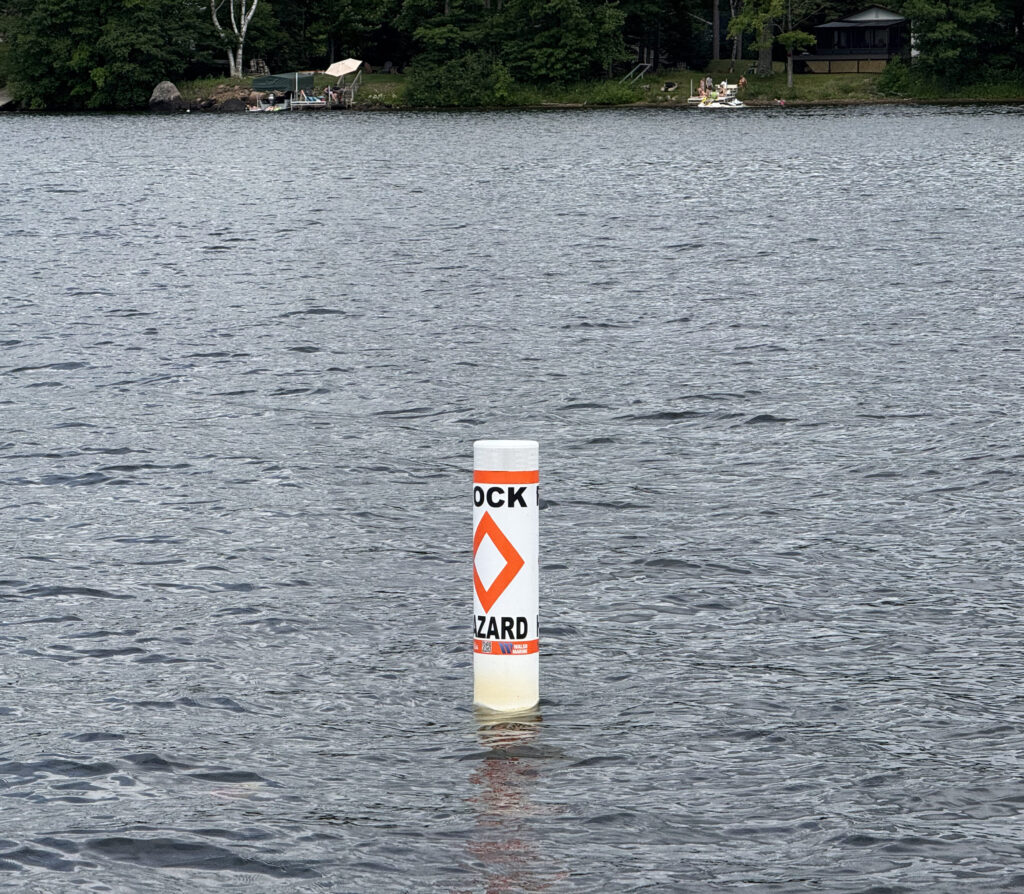
Orange-and-white hazard buoys mark rocks and shallow areas around Pelican Lake. They’re placed each spring and removed each fall to help boaters safely navigate the lake.
Keep an eye out for them—and give them plenty of room.
Use CAUTION
Buoys are placed seasonally and can be moved, damaged, or lost. Water levels also change throughout the season.
The absence of a buoy does not mean the water is safe.
Nothing on this website is intended as a navigation aid. Maps and buoy information provided here do not replace your own judgment and caution on the water. You are responsible for your safety and the safety of everyone aboard your boat.
Who pays for the buoys?
Buoys are a critical component of boating safety, especially on Pelican Lake with its numerous rock piles. Since the 2026 season the association has paid to place, maintain and remove every hazard buoy on the lake, funded by member donations, buoy auctions and charitable gifts.
How the buoy program works · Give to the buoy fund · Join the association
Speed and Distance — The Rules People Get Wrong
Slow-no-wake means the slowest speed at which you can still steer your boat. Under Wisconsin law, it applies within these distances:
| Craft | Slow-no-wake required within |
|---|---|
| Motorboats | 100 feet of the shoreline, dock, raft, pier, or buoyed restricted area |
| Personal watercraft | 200 feet of the shoreline; 100 feet of any other boat; 100 feet of any dock, raft, pier or buoyed area |
The 200-foot rule for personal watercraft is one of the most commonly missed—it’s twice the shoreline distance required for motorboats. Also remember that many slow-no-wake areas are not marked. An unmarked stretch of shoreline can still be a slow-no-wake zone.
Other rules apply on the lake, including no creating a hazardous wake when approaching or passing another boat and no repeatedly circling near another boat or swimmer. Navigation lights are required between sunset and sunrise, and personal watercraft may not be operated during those hours.
Age and certification requirements also apply to operators, and every boat must carry a wearable life jacket for each person aboard.
For complete and current rules, check the DNR’s boating regulations. Wisconsin’s approved boating safety course is available through Boat-Ed.
Check the information at the landing. Local ordinances may be more restrictive than state law, and posted signs provide the best information about what rules apply at a particular location.
Getting on the Water
Pelican Lake has three main public boat landings: the State Landing on County G, Keeler’s Landing on County Q, and the launch along Highway 45 in town. Ramp conditions and parking vary, and the State Landing is typically the busiest on summer weekends. Keeler’s Landing charges a $2 launch fee for non-lake residents.
Late-summer weed growth can make some bays difficult to navigate. When Eurasian watermilfoil is thick, association harvesting crews cut navigation lanes through the weed beds to help boats get in and out. These lanes can change from year to year depending on where the weeds are growing.
Learn more about the harvesting program.
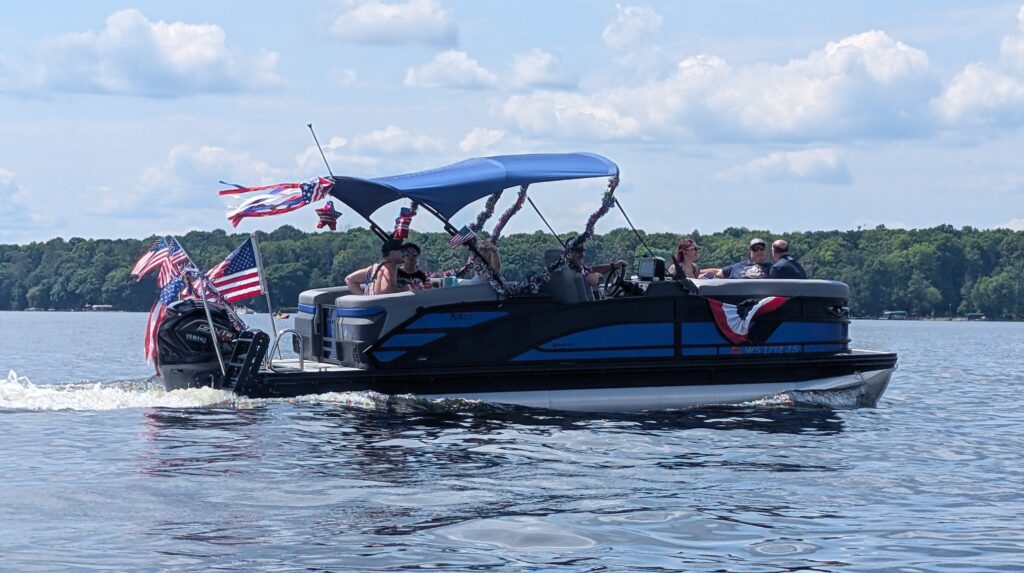
Clean Your Boat, Every Time
Wisconsin law requires boaters to inspect their boat and trailer, remove all plants and animals, drain all water—including livewells and ballast—and never move live fish from one water body to another.
Before You Leave the Water
- Inspect your boat, trailer, motor, and equipment.
- Remove all plants, mud, and animals you find.
- Drain all water from the boat, bilge, livewell, bait buckets, and other equipment.
- Dispose of bait properly—never release live bait or fish into the water.
- Never transport live fish from one water body to another.
Inspectors are stationed at Pelican Lake landings throughout the season to help. Zebra mussels have already been found on boats attempting to launch here, so every boater needs to do their part.
Pelican Lake already has Eurasian watermilfoil, curly-leaf pondweed, rusty crayfish, and other invasive species. Don’t give another one a ride to the lake.
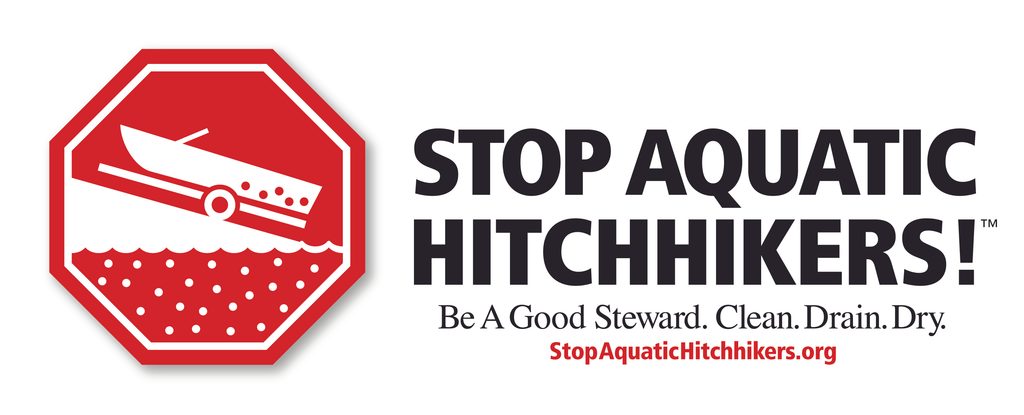
Clean. Drain. Inspect. Every boat. Every trip. A few minutes at the landing can protect Pelican Lake for years to come.
Reporting Problems
See something that needs attention on the water? Here’s who to contact:
- Missing, damaged, or drifting buoy — Let us know through the contact form. Choose “Boating Safety & Buoys” and provide the most precise location you can. Buoys are checked by volunteers, not continuously patrolled.
- Dangerous or illegal boating — Call or text the DNR violation hotline at 1-800-847-9367. It’s staffed 24/7, and you can report anonymously.
- Emergency on the water — Call 911.
- Unmarked hazard — Let us know. If a rock or shallow area is causing problems, we want to know about it so we can determine whether it needs to be marked.
See a problem? Speak up. Your report could help keep the next boater safe.
More on Boating
Want to learn more about boating safety and caring for Pelican Lake?
- Boating Safety Committee — Follow committee news, minutes, and events.
- Water Quality & Lake Health — Learn about the harvesting program and navigation lanes.
- Fishing on Pelican Lake — Find fishing regulations, surveys, and stocking information.
- Volunteer — Help with the buoy program and other lake projects.
This page summarises Wisconsin boating law as a convenience. It is not legal advice, and it is not complete. The Wisconsin Department of Natural Resources is the authority, and its published regulations govern.